Affordable Housing For Indigenous Communities
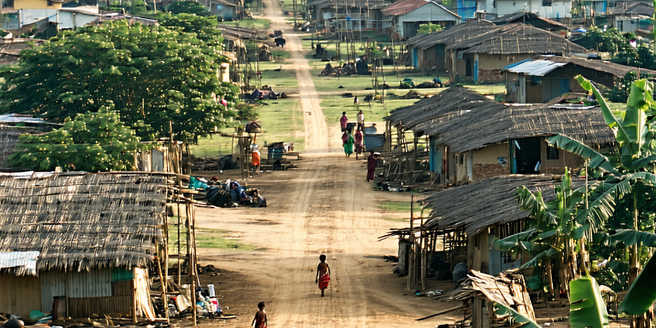
Understanding the Need for Affordable Housing in Indigenous Communities
Indigenous communities face unique challenges concerning access to affordable housing. Historical displacement and systemic inequalities have contributed to a lack of stable, secure housing options. Economic disparities, coupled with a lack of proper infrastructure and limited access to mortgages, further exacerbate this issue. Many Indigenous families are forced to live in overcrowded conditions due to these barriers. The lack of government support often leaves these communities struggling to find a voice in policy-making decisions. Housing is not merely about shelter; it is a fundamental human right essential for health, security, and cultural preservation. Addressing the housing needs of Indigenous communities requires acknowledging the historical context and implementing culturally tailored solutions that consider the social, economic, and environmental factors affecting these populations.
Challenges Faced by Indigenous Communities in Securing Housing
The obstacles preventing Indigenous communities from securing housing are multifaceted, including legal and bureaucratic barriers that limit access to land and financing. Discrimination and prejudice also play significant roles. Many Indigenous families live in remote areas where housing is scarce and costly. Increased investment in infrastructure and services in these areas could significantly improve living conditions. Furthermore, historical injustices have left many Indigenous communities with limited resources and support. Additionally, inadequate infrastructure and public services, such as water and sanitation, often plague these communities, further complicating housing security. Education and awareness campaigns can also help to dismantle stereotypes and foster a more inclusive environment. To combat these challenges, comprehensive strategies involving cross-sector partnerships and community input are essential to ensure equitable and sustainable housing opportunities.
Current Initiatives and Programs Supporting Indigenous Housing
Several initiatives aimed at improving housing conditions for Indigenous communities are currently in place. Government programs and non-profit organizations focus on developing affordable and culturally appropriate housing solutions. These initiatives often involve collaborations with Indigenous groups to ensure that housing projects align with cultural values and community needs. One example of such collaboration is the inclusion of traditional architectural designs in new housing developments. In addition, engaging community leaders plays a crucial role in tailoring projects effectively. Efforts include building new homes, renovating existing properties, and providing financial education to increase homeownership rates among Indigenous populations. However, to maximize impact, these programs require sustained funding and policy support at local, regional, and national levels.
Innovative Solutions for Sustainable and Affordable Housing
Innovative solutions to Indigenous housing crises include the adoption of sustainable building practices that incorporate local materials and traditional architectural designs. These efforts prioritize not only affordability but also environmental sustainability, ensuring that homes are energy-efficient and low-impact. Collaborative partnerships with architects and local artisans are essential to integrating traditional knowledge with modern techniques. Education and training programs for Indigenous youth can further support these initiatives by building local capacity. Emerging technologies, such as modular housing and carbon-neutral construction methods, play a crucial role in reducing costs and enhancing livability. By empowering Indigenous communities to lead housing initiatives, solutions become more culturally relevant and effective, promoting both autonomy and resilience in the face of ongoing challenges.
The Role of Policy and Government in Supporting Indigenous Housing Efforts
Policy and government actions are critical in advancing Indigenous housing efforts. Policymakers must engage with Indigenous leaders to create frameworks that address land rights, funding allocations, and infrastructure development. Strategic policy interventions can facilitate access to affordable housing by providing subsidies, tax incentives, and grants specifically aimed at Indigenous populations. Collaborative dialogue is essential to ensure that these interventions meet the unique needs of each community. Capacity-building programs can also enhance the ability of Indigenous communities to manage and sustain housing projects. It’s also essential for governments to address systemic racism and integrate Indigenous perspectives into urban planning and development processes. By ensuring that Indigenous voices influence policy, governments can foster equality and bolster community-driven housing solutions.