Technology’s Role In Modern Wic
Understanding Modern Wiccan Practices
Modern Wiccan practices seamlessly blend ancient traditions with contemporary influences. Today’s practitioners often explore a personalized path, respecting historical foundations while embracing modern adaptations. This evolution is visible in the way rituals are conducted, incorporating elements that resonate collectively and individually. Modern Wicca frequently involves solitary practice, reflecting a shift from traditional coven-only activities. The internet provides a repository of information, facilitating self-guided learning and growth within this spiritual path. Additionally, books, podcasts, and workshops contribute to a Wiccan’s understanding and practice. Even as practices evolve, the core principles of Wicca, such as reverence for nature, the duality of the divine, and the Law of Threefold Return, remain steadfast. This dynamic balance allows Wiccans to navigate the modern world while maintaining the essence of their spiritual heritage.
The Intersection of Technology and Spirituality
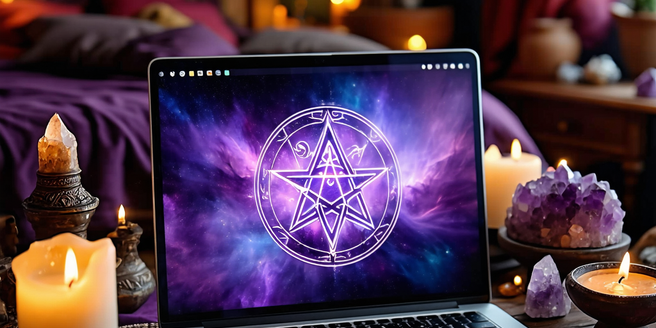
In today’s digital age, the intersection of technology and spirituality creates new avenues for exploration and expression. For Wiccans, technology serves as both a tool and a bridge that connects ancient wisdom with modern convenience. Online platforms enable practitioners to access a plethora of information and connect with global communities, expanding their spiritual networks beyond geographical constraints. Virtual ceremonies and workshops offer opportunities for those who may lack physical access to Wiccan groups. Additionally, technology supports the documentation and sharing of personal spiritual journeys through blogs and social media, promoting a deeper understanding of diverse practices. While some may worry that technology detracts from authentic experiences, many Wiccans find that it complements their spiritual paths, offering new ways to engage with their beliefs while maintaining respect for traditional practices.
Digital Tools for Wiccan Rituals and Spells
The advent of digital tools has revolutionized the way Wiccan rituals and spells are conducted. Apps and software designed specifically for Wiccans provide resources such as moon phase trackers, virtual altars, and spell-casting guides, offering convenience and accessibility. These tools allow practitioners to plan and execute rituals with precision, even when time or physical environment pose challenges. E-books and online databases provide vast repositories of spells, folklore, and correspondences that can be accessed with a few clicks. Some practitioners utilize digital music and meditation apps to enhance ritual ambience, creating a harmonious atmosphere for their spells. While purists may prefer traditional methods, many modern Wiccans appreciate the flexibility and broadened horizons that digital tools bring, ensuring that their spiritual practices evolve alongside technological advancements.
Online Communities and Their Influence on Wicca
Online communities have profoundly influenced the Wiccan landscape, fostering connections that transcend geographical boundaries. Social media platforms and forums allow Wiccans to share experiences, discuss beliefs, and seek advice from a diverse audience. This virtual interaction encourages the exchange of ideas, leading to a richer understanding of Wiccan practices. Online groups create a sense of belonging, especially for those in areas where physical Wiccan communities are scarce. These platforms also provide support networks for practitioners who may face challenges related to their beliefs. However, the abundance of information online requires discernment, as not all sources represent authentic or respectful practices. Despite this, online communities play a crucial role in the modern Wiccan experience, promoting a sense of unity and collaboration among practitioners worldwide.
Ethical Considerations for Tech-Savvy Wiccans
As technology becomes integral to Wiccan practices, ethical considerations emerge. Tech-savvy Wiccans must navigate issues related to privacy, especially when sharing spiritual experiences online. Maintaining the sacredness of personal rituals while engaging in digital spaces is imperative. The validity of online information also poses challenges, emphasizing the need for discernment and critical thinking. Sharing spells or rituals without proper context can lead to misinterpretation and cultural appropriation. Furthermore, reliance on technology should not replace the core values of Wicca, such as a deep connection with nature and mindfulness in practice. Balancing digital convenience with ecological responsibility and ethical integrity is essential. By acknowledging these considerations, Wiccans can harness technology’s benefits while staying true to their spiritual path.