Rehabilitation And Disability Benefits
Understanding Rehabilitation Services
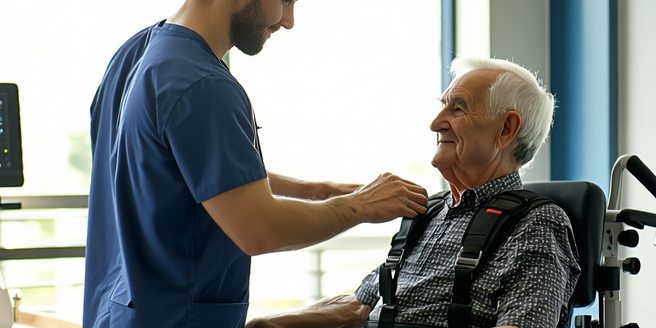
Rehabilitation services play a crucial role in helping individuals regain their independence and improve their quality of life after suffering from disabilities or chronic illnesses. These services cover a wide range of therapies, including physical therapy, occupational therapy, and speech-language therapy, tailored to meet the unique needs of each individual. The goal is to enhance functional abilities and integrate individuals back into their communities. By focusing on a holistic approach, rehabilitation services not only address the physical aspects of recovery but also consider emotional and psychological well-being. Collaboration among healthcare professionals, patients, and caregivers is essential to achieve optimal outcomes and ensure that individuals receive the support they need in a timely and effective manner.
Types of Disability Benefits
Disability benefits are designed to provide financial assistance to individuals who are unable to work due to a disability. These benefits come in several forms, including Social Security Disability Insurance (SSDI), Supplemental Security Income (SSI), and Veterans Administration (VA) benefits for those with service-related disabilities. Each type of benefit has specific eligibility requirements and application processes. While SSDI is for those who have worked and paid into the Social Security system, SSI is need-based for individuals with limited income and resources. Understanding the differences between these programs is crucial for accessing the right type of support. Additionally, there are benefits available at the state level, which can further assist those in need.
Eligibility Criteria for Assistance
Eligibility for disability benefits often depends on several factors, including the severity of the disability, work history, and income level. Medical documentation is typically required to prove the existence and impact of a disability. For SSDI, applicants must have a sufficient work history and demonstrate that their condition prevents them from performing substantial gainful activity. SSI, on the other hand, does not require a work history but focuses on income and resource limits. The complexity of these criteria underscores the need for thorough documentation and possibly legal assistance to navigate the process. Understanding these requirements can help applicants prepare their claims more effectively.
Navigating the Application Process
Applying for disability benefits can be a daunting and time-consuming process. It involves gathering comprehensive medical evidence, filling out detailed forms, and sometimes attending hearings. Many applicants face initial denials, making it crucial to understand the appeals process. Navigating this complex system often requires patience and dedication. There are resources available to assist with applications, including nonprofit organizations, legal aid societies, and qualified attorneys who specialize in disability law. Properly preparing for the application or appeal can significantly increase the chances of approval. Persistence and attention to detail are key, as well as seeking support when needed, to successfully obtain benefits.
Challenges in Accessing Benefits
Accessing disability benefits can present various challenges, including long waiting periods, complex paperwork, and the need for extensive medical documentation. Initial claims are often denied, and navigating the appeals process can be frustrating and intimidating without proper guidance. Limited awareness and understanding of available benefits also contribute to difficulties in obtaining assistance. Additionally, many applicants may find themselves overwhelmed by the sheer volume of information they need to understand. Furthermore, bureaucratic hurdles and a lack of resources for processing applications can delay the provision of much-needed financial support. Advocacy and education are vital in overcoming these barriers, ensuring that individuals receive the benefits they are entitled to without unnecessary delays.
Future Trends in Rehabilitation Support
The future of rehabilitation support is being shaped by advances in technology and a growing emphasis on personalized care. Innovations such as tele-rehabilitation and virtual reality are enhancing the delivery of therapy, making it more accessible and engaging for patients. Additionally, there is a shift towards integrating artificial intelligence in developing customized rehabilitation programs that cater to individual needs and progress. Another key trend is the increasing focus on community-based care, empowering individuals to participate actively in their recovery processes. These advances promise to improve outcomes and broaden access to rehabilitation services, paving the way for more inclusive support systems.