Homeless Veterans’ Housing Programs
Understanding the Needs of Homeless Veterans
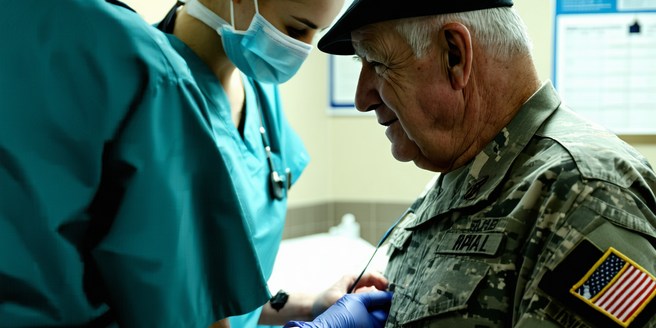
Homeless veterans face unique challenges that require targeted solutions. Many veterans struggle with issues such as mental health disorders, physical disabilities, and the difficulty in transitioning to civilian life after military service. These factors contribute to a higher risk of homelessness among veterans. Understanding these needs is crucial for developing effective housing programs. Tailored support services, including mental health care, job training, and access to benefits, can help address their complex needs. It’s important to involve veterans in the planning and execution of these programs to ensure they truly meet their needs. By listening to their stories and experiences, we can create a more empathetic approach to solving the issue. Additionally, creating an environment that fosters trust and community can significantly impact the success of housing initiatives.
Government Initiatives for Veteran Housing
Government initiatives play a significant role in housing homeless veterans. The Department of Veterans Affairs (VA) offers various programs, such as the HUD-VASH program, which combines HUD’s Housing Choice Voucher rental assistance with VA supportive services. These programs aim to provide permanent housing solutions and are vital in addressing homelessness among veterans. Veterans often face unique challenges, making targeted support essential for their successful reintegration into society. Collaborative partnerships with non-profit organizations further enhance the reach and effectiveness of these initiatives. Government efforts also include funding for specialized veteran shelters and transitional housing options. By prioritizing these initiatives, governments at all levels can ensure that veterans receive the support and resources needed to secure stable housing and rebuild their lives.
Nonprofit Organizations Supporting Housing Programs
Nonprofit organizations are critical in supporting housing programs for homeless veterans. Groups like Volunteers of America and the National Coalition for Homeless Veterans provide essential services, including temporary housing, job training, and mental health support. They tirelessly work to ensure that veterans receive the dignity and care they deserve. Many of the volunteers have personal connections to veterans, which motivates their dedicated efforts. These organizations often collaborate with government entities to maximize the impact of their programs. By offering holistic care and personalized support, nonprofits play a crucial role in complementing public initiatives. Their flexible approaches and on-the-ground experience allow them to address the specific challenges veterans face, making these organizations invaluable in the fight against veteran homelessness.
Challenges in Program Implementation
Implementing housing programs for homeless veterans is fraught with challenges. Among them are securing sustainable funding, coordinating between federal and local agencies, and overcoming bureaucratic hurdles. Navigating these complexities requires strong leadership and a clear vision. Additionally, the varying needs of veterans mean that one-size-fits-all solutions are often insufficient. Successful programs often rely on a holistic approach that encompasses not just housing, but also mental health and employment support. Programs must be adaptable and responsive to changes in the veteran population, such as addressing the needs of women veterans and those with families. Overcoming these obstacles requires a commitment to collaboration among stakeholders, continuous evaluation, and a willingness to innovate in response to emerging issues.
Success Stories from Housing Program Beneficiaries
Success stories from housing program beneficiaries highlight the transformative impact of these initiatives. Veterans who once faced the bleak prospect of homelessness have found stability and hope through comprehensive housing programs. Many participants graduate from these programs equipped with the skills necessary for a stable future. For example, one veteran was able to secure a job in his field of expertise after completing the program. With the support of dedicated case managers and access to essential resources, these individuals can reintegrate into society, gain employment, and maintain their personal wellbeing. Stories of veterans who have successfully transitioned from homelessness to self-sufficiency underscore the effectiveness of targeted support. These narratives inspire ongoing efforts and demonstrate the positive outcomes achievable through well-implemented housing programs.